
Six Decades United
Our history
The Pacific Games: A History That Brings an Ocean Together.
More than 60 years of friendship, excellence and Pacific pride
For over six decades, the Pacific Games have brought together the peoples of Oceania through the universal language of sport.
More than a multi-sport competition, the Games celebrate the identity, diversity and shared values of the Pacific. Every four years, they provide athletes from across the region with an opportunity to compete at the highest level whille proudly representing their people, culture and heritage.
Hosted by a different Pacific nation or territory each edition, the Games welcome thousands of athletes, officials and visitors, creating lasting sporting memories and strengthening the bonds that unite the Blue Pacific.
In 2027, French Polynesia will proudly host the Pacific Games for the third time, adding a new chapter to this remarkable journey.
A vision born from unity
The idea for the Pacific Games emerged in 1959 from a simple yet ambitious vision: to strengthen friendship and cooperation among Pacific nations through sport.
That vision became reality in 1963 when Fiji hosted the inaugural Games in Suva. Ten sports featured in the first edition, laying the foundations for what would become Oceania's largest multi-sport event.
Originally known as the South Pacific Games, the event officially became the Pacific Games in 2007, reflecting the evolving identity of the region and its people.
A unique sporting event
The Pacific Games bring together the 22 members of the Pacific Games Council, representing sovereign nations, territories and island communities from across Oceania.
For several participating members, the Games provide the highest level of international competition where athletes proudly compete under their own flag.
This diversity is what makes the Pacific Games unique. Every delegation contributes its own traditions, culture and identity, turning each edition into a celebration of the Pacific itself.
The Games also include para sport events, reinforcing their commitment to inclusion and equal opportunity.
More than sport
While medals inspire excellence, the Pacific Games create a legacy that extends far beyond competition.
Each edition contributes to the development of sporting facilities, athlete pathways, technical officials, volunteers and youth participation across the region.
The Games also showcase the culture of the host nation, making ceremonies, traditions and cultural exchange an integral part of the experience.
French Polynesia and the Pacific Games
French Polynesia has played a special role in the history of the Pacific Games.
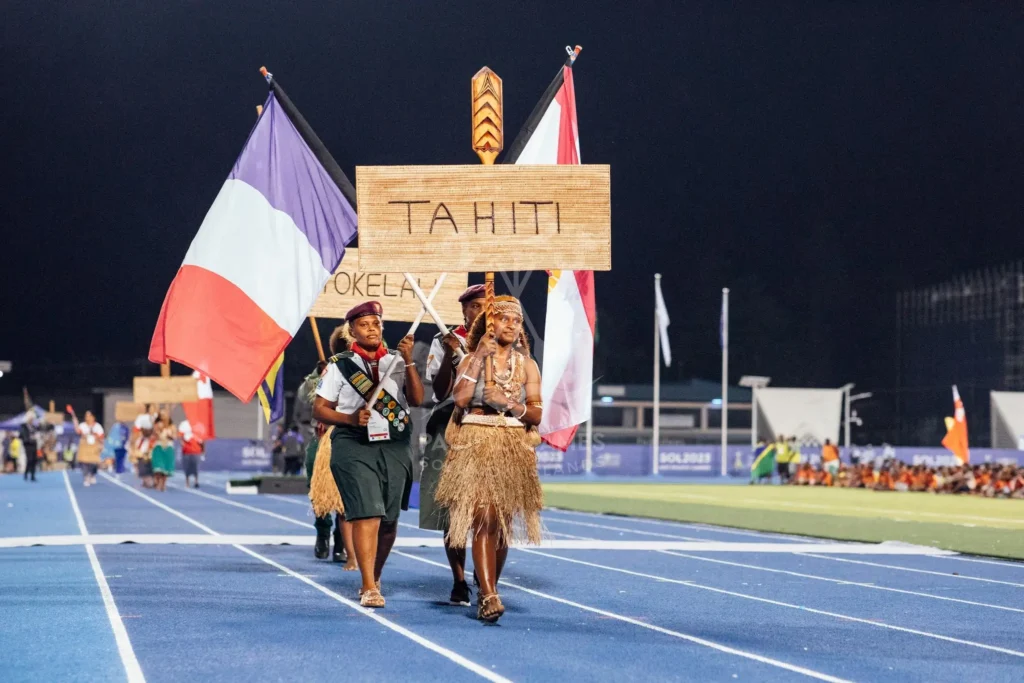
Present since the inaugural edition in 1963, Tahiti is one of only six members to have participated in every Pacific Games.
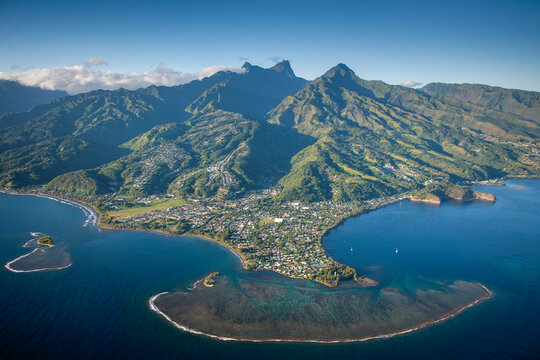
After hosting the Games in 1971 and 1995, French Polynesia will become only the fifth host in history to stage the event for a third time when Tahiti welcomes the Pacific once again in 2027.
For generations, Tahitian athletes have proudly contributed to the rich sporting history of the Games, inspiring future champions across the Pacific.
Explore every edition
Every Pacific Games tells a different story.
From Suva in 1963 to Tahiti in 2027, discover the host cities, nations and milestones that have shaped more than six decades of Pacific sport.
Browse each edition below to discover host cities, participating nations and memorable moments from every Pacific Games.
View all editions (PDF)Browse each edition below to discover host cities, participating nations and memorable moments from every Pacific Games.
1963
Suva
Fiji
1966
Nouméa
New Caledonia
1969
Port Moresby
Papua New Guinea
1971
Tahiti
French Polynesia
1975
Guam
Guam
1979
Suva
Fiji
1983
Apia
Samoa
1987
Nouméa
New Caledonia
1991
Port Moresby
Papua New Guinea
1995
Tahiti
French Polynesia
1999
Guam
Guam
2003
Suva
Fiji
2007
Apia
Samoa
2011
Nouméa
New Caledonia
2015
Port Moresby
Papua New Guinea
2019
Apia
Samoa
2023
Honiara
Solomon Islands
2027
Tahiti
French Polynesia